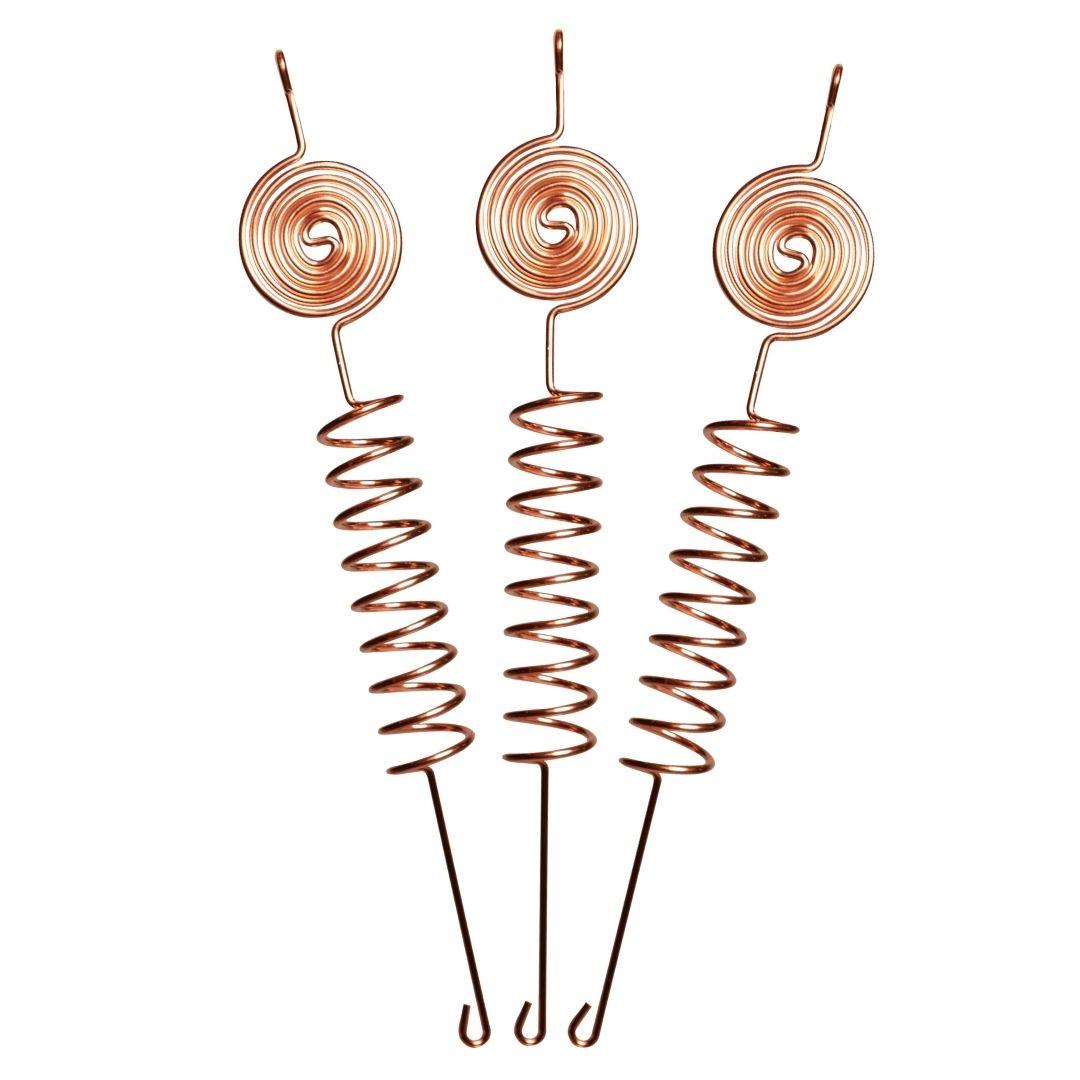
Electroculture, a unusual method , suggests that vegetation can flourish when subjected to gentle electrical currents . Some electroculture suggest that this gentle boost enhances mineral assimilation, leading to faster development and potentially more production. While mainstream confirmation is limited , many practitioners share impressive outcomes in more info their home patches , encouraging further investigation of this nascent approach to farming and sustenance creation .
Getting Started to Electrical Gardening
Interested to explore a innovative gardening technique ? Electrical gardening uses harnessing electrical energies to improve plant yield. It's sounds futuristic, but the fundamental principles are surprisingly easy to grasp . Typically, it features creating a grid of conductive wire over your seedlings , sometimes connected to a gentle energy source. While scientific proof is available limited, many gardeners claim significant improvements in plant health and harvest. This briefly examine the essentials in upcoming sections.
Can Electroculture Truly Function? Separating Truth from Fantasy
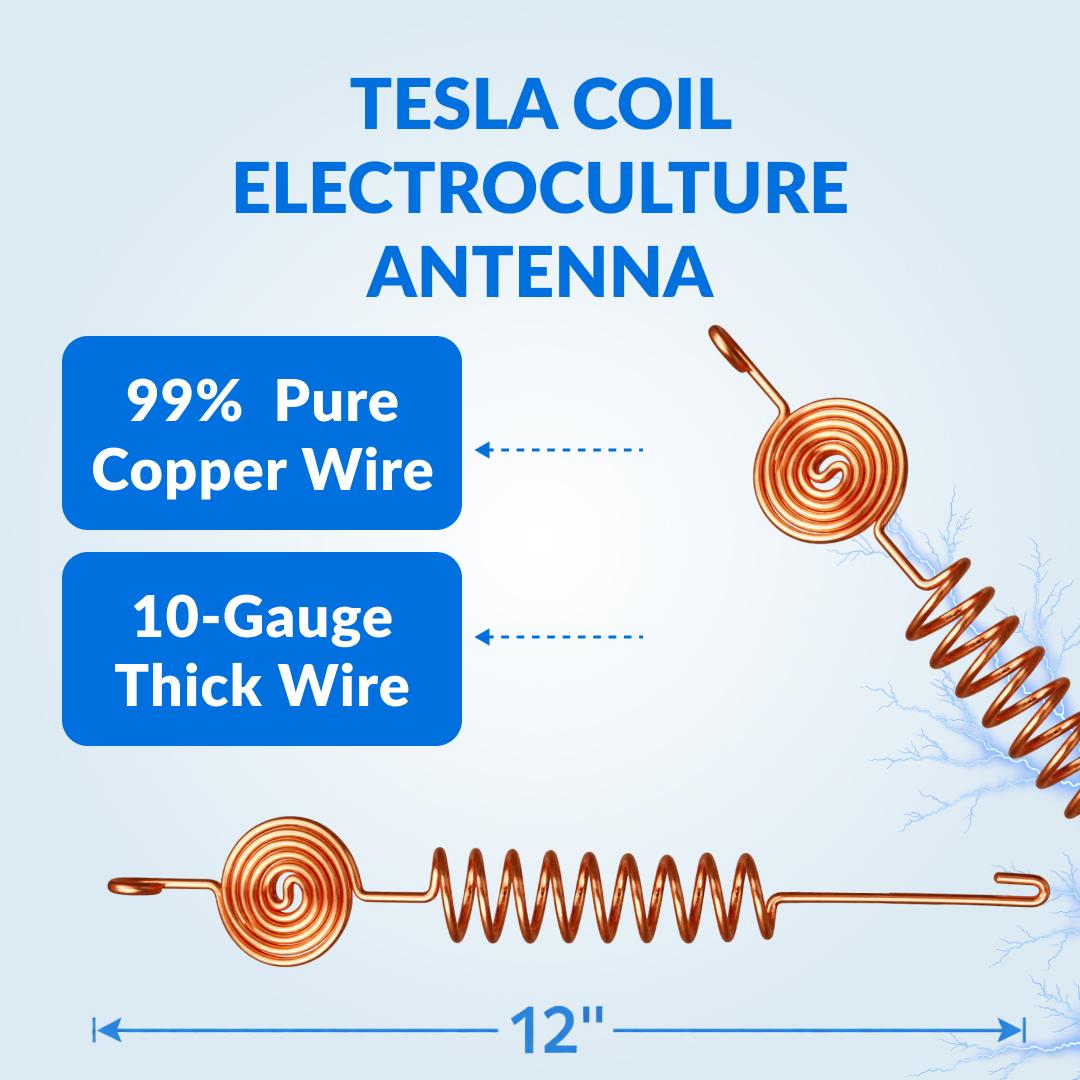
Electroculture, a process involving subtle power to boost plant production, sparked widespread attention online. However, it's crucial to carefully examine the statements and separate genuine findings from questionable hype. Although certain early tests appear to indicate improved harvests, the empirical foundation remains mostly unclear. Several claimed successes could be caused by other factors, like improved soil, hydration, or simple coincidence. Enhanced investigation and official confirmation are needed to confirm if electroculture is a dependable agricultural technique.
Building Your Own Electroculture Garden: A Detailed Guide
Embarking towards the unusual world of electroculture can seem daunting, but creating your own electroculture garden is surprisingly manageable with a few basic steps. First, collect your materials: a pot , copper cabling , zinc sheet , water, and a electrical charge – a small battery or homemade cell can suffice. Afterward, position the copper and zinc encircling the water in the container, ensuring they haven't touch. The electrical field generated between these metals is believed to stimulate plant development . Finally, monitor your plants and modify the system as required – electroculture is as much about experimentation as it is dealing with following guidelines.
Electroculture vs. Conventional Cultivation: What is This Difference ?

Numerous gardeners are exploring electroculture as an alternative to traditional gardening . While both aim to grow vibrant crops , they depend on drastically contrasting approaches . Traditional horticulture leans on earth minerals , illumination, and moisture , often with supplemental enhancements. In opposition , electroculture harnesses a minimal bio-electrical to stimulate plant maturation, conceivably lessening the dependence on earth and standard fertilizers . Ultimately , electroculture embodies a quite emerging area in agriculture with specific promise .
Boosting Plant Growth with Electroculture: Potential & Practicalities
Electroculture, a debated method suggesting plant flourishing through electrical currents , has sparked considerable curiosity amongst gardeners . Initial reports claimed significant increases in production and total plant robustness. While the exact mechanism stays unclear , some explanations direct to improved water uptake and nutrient availability within the ground. Practical implementations can range from basic DIY setups using copper and zinc electrodes to more complex configurations. However, it’s essential to examine electroculture with care , acknowledging the scant peer-reviewed rigorous proof and potential dangers associated with faulty implementation. Further study is necessary to completely grasp the chance and restrictions of this intriguing approach to cultivation.
- Potential benefits include increased yield and improved plant health.
- Consider the need for further research and scientific validation.
- Practical applications range from simple DIY systems to complex configurations.